Air sealing services in Fayetteville AR - fewer drafts and a house that holds its heat
Drafty rooms, cold floors or a climbing power bill? We find where your house leaks air and seal the gaps you can't reach.
What does air sealing do for a drafty house in Fayetteville?
Air sealing services in Fayetteville close the gaps where air slips in and out of your house, so your rooms feel less drafty, your heating and cooling don't work as hard and the power bill comes down. Sealing also keeps damp air out of the wood in your attic and walls, where it can cause rot and mold.
Most calls start with a room that's hot upstairs, cold floors or a room over the garage that never feels right, and the homeowner figures the attic needs more insulation. Usually the bigger problem is air moving through gaps the insulation is just sitting on top of. The price turns on how many of those gaps there are and how much old insulation we have to work through to reach them, and the schedule turns on whether anything has to be repaired before sealing can start. You'll get a number for your own house once I've been up in the attic.
- Fully licensed and insured.
- Free quotes on site.
- Expect a reply within 1 business day.
What air sealing work looks like
How we handle air sealing in your house
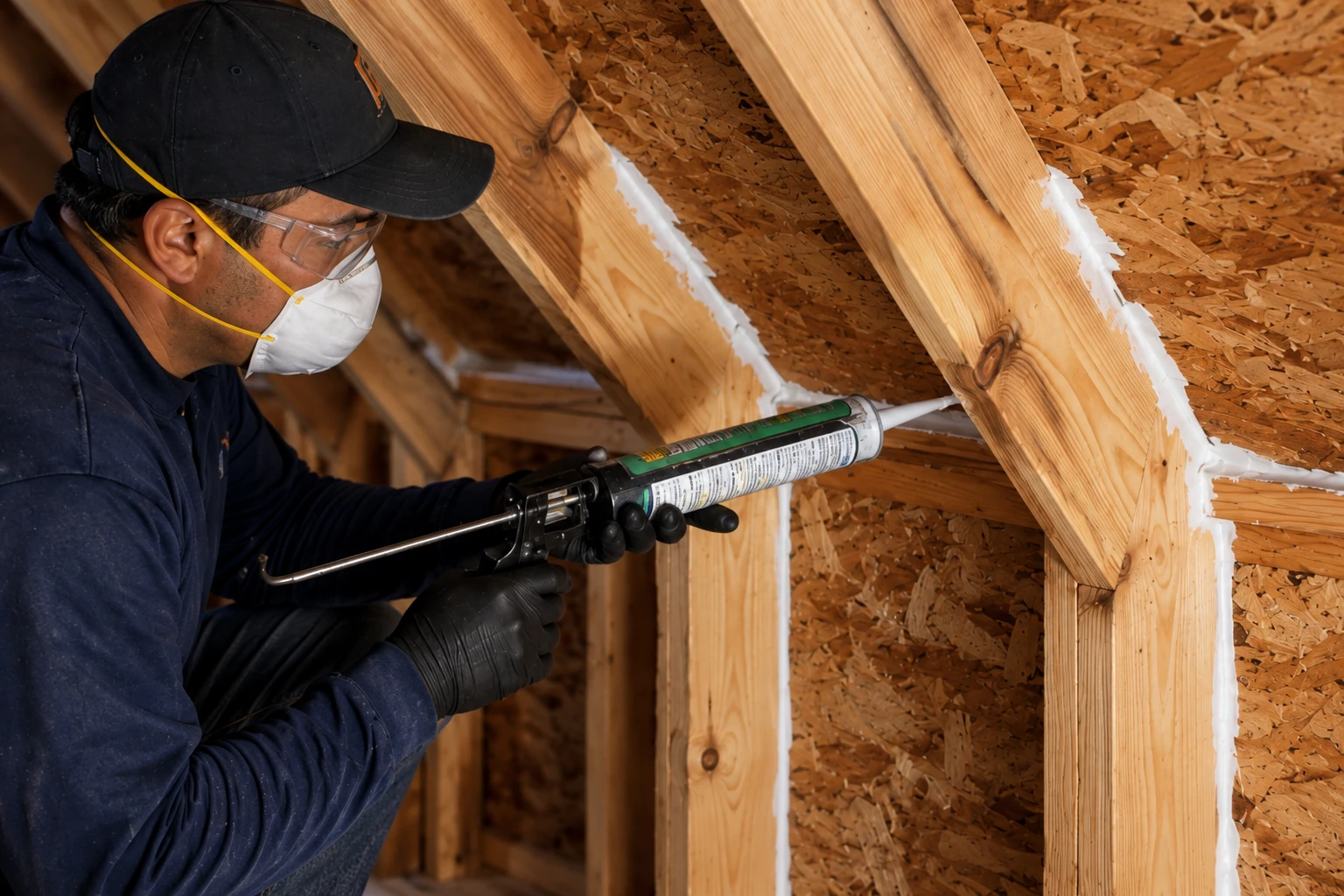
I start by going through the attic, the crawl space and the rooms below with you, because the leaks that cost you the most are usually up top, around the attic hatch, the pipes and wires that come up through the ceiling, the recessed lights and the tops of the inside walls. If you burn gas or oil in the house, we plan a check of how those appliances vent as part of the job. Anything that would end up sealed in gets fixed first, so wet insulation, moldy or rotted framing, a bath fan blowing damp air into the attic, an attic with little or no venting, or old knob and tube wiring, the cloth-covered kind strung on porcelain knobs, all come before any sealing. Vermiculite, a light, gray, pea-size flaky fill that may contain asbestos, should stay undisturbed until an approved lab tests it and finds none. Then our installers close the hard leaks, the ones buried under old insulation or tucked where you can't reach, and I'll point out the easy ones you could seal yourself so you only pay us for the hard ones.
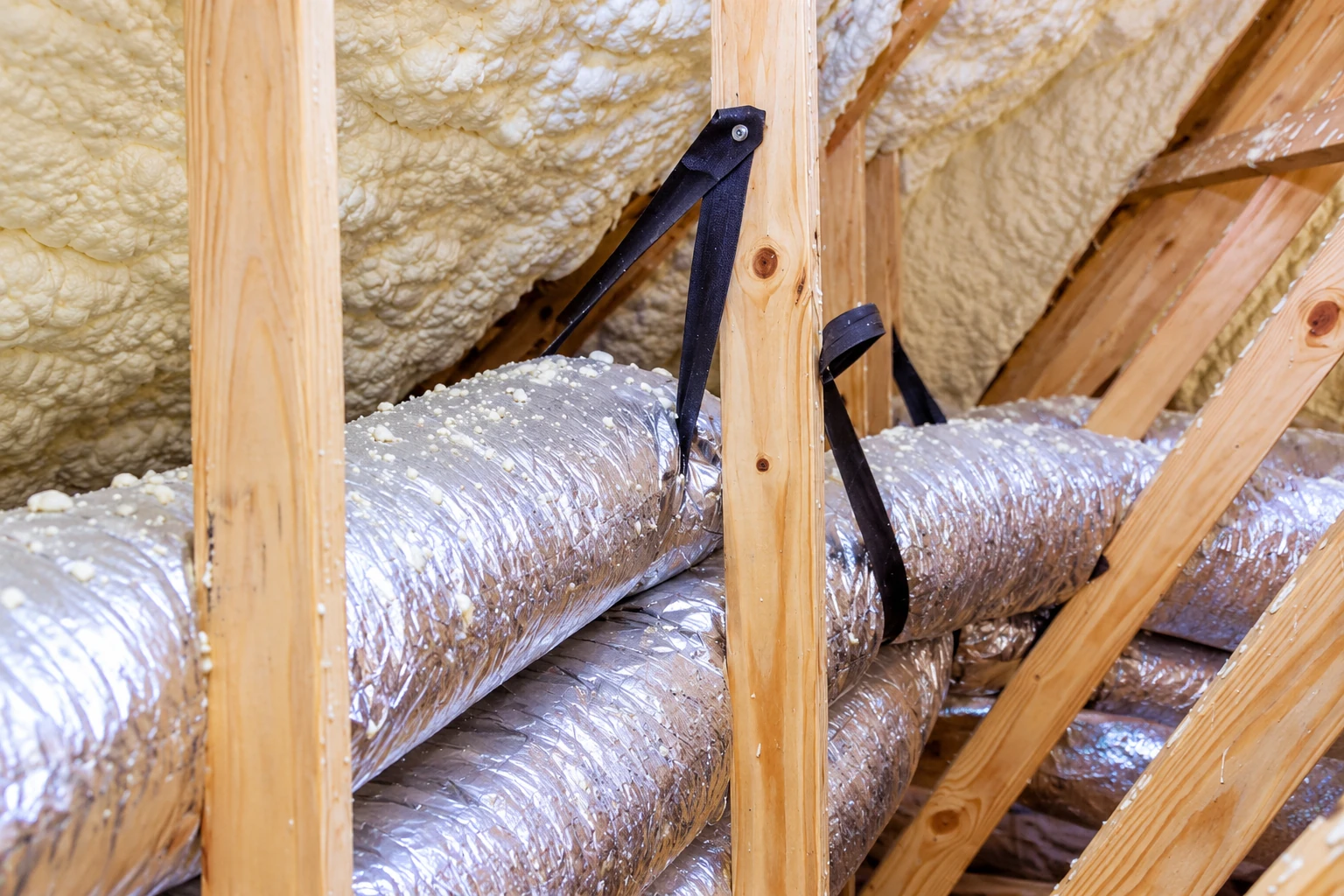
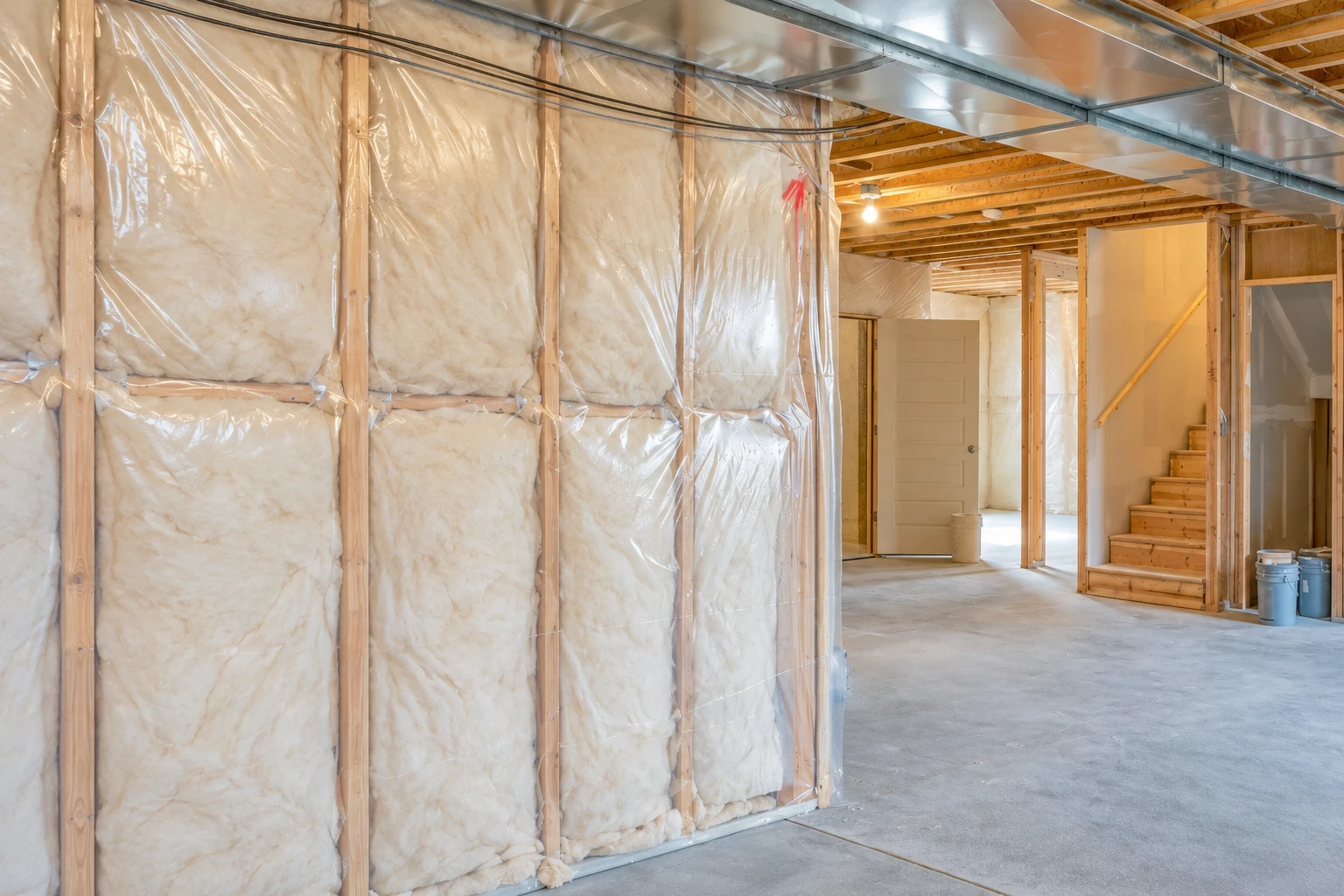
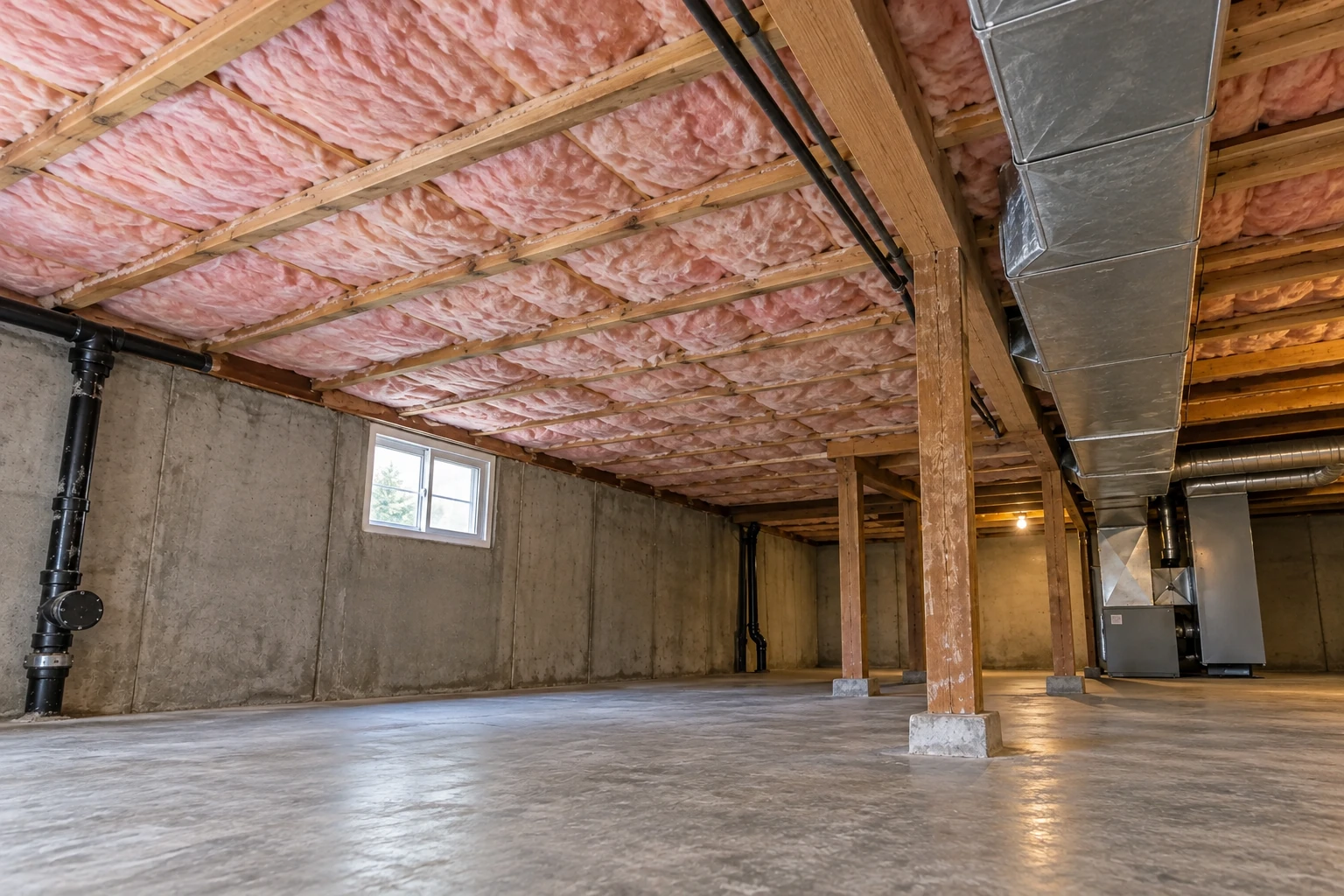
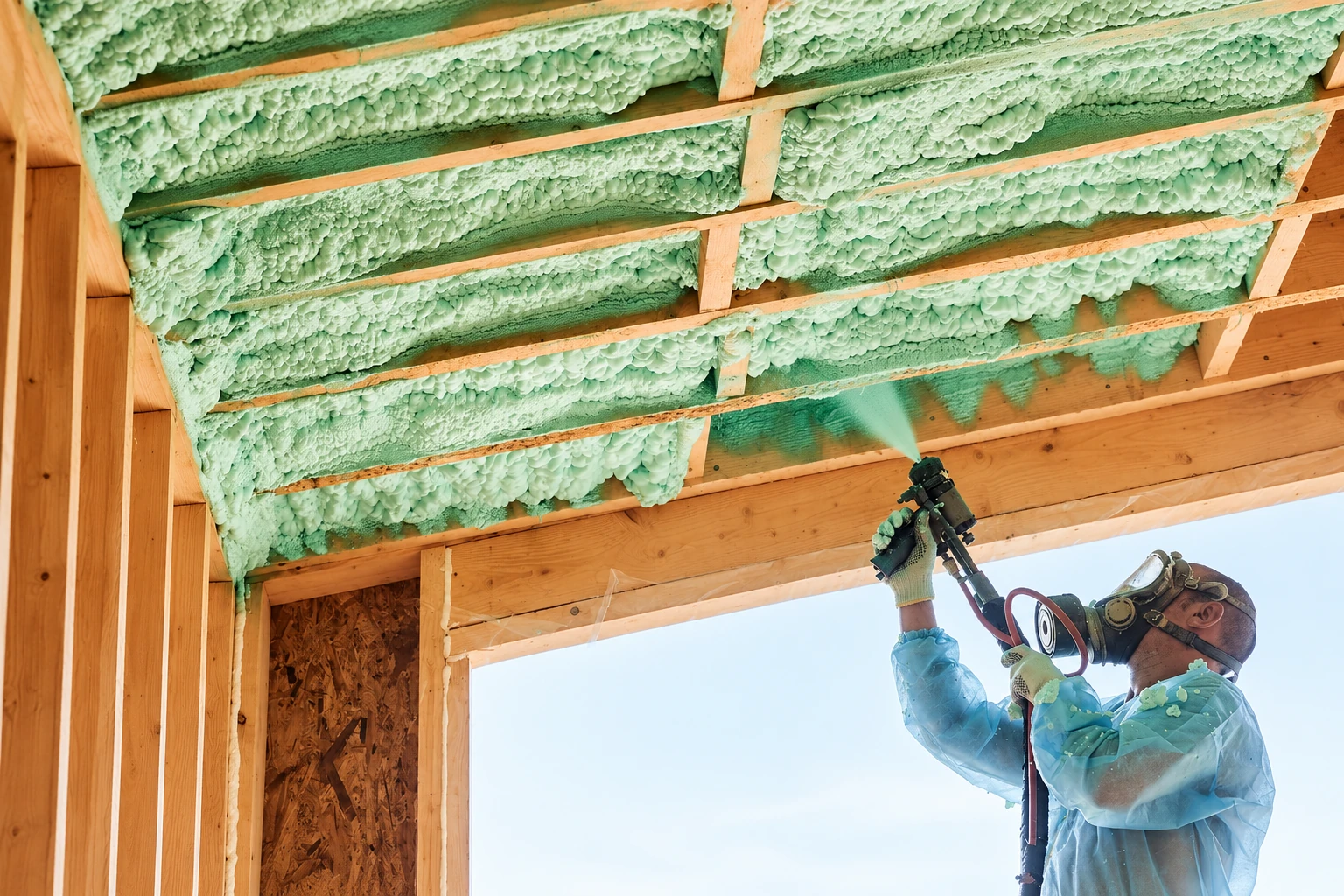
Sealing often sits right next to insulation work. Foam costs more and seals air while it insulates, so when your ductwork runs through the attic, closed-cell foam insulation, a dense foam that also blocks moisture, can be the better choice. Otherwise, sealing the gaps and topping up loose fill usually wins. Down below, the same kind of leaks run around pipes and where the house sits on its foundation, and we can close those as part of basement insulation.
Why Fayetteville homeowners call C&J Fayetteville Insulation Company for air sealing
I see the attic before quoting
I come out to look at every job myself, and our own installers do the work. The person who found your leaks is the one who set the plan, not a salesperson who never went up the ladder.
Real cause first, then the fix
I spent years doing upkeep for a property management company, chasing drafty rooms and damp floors back to the attic or crawl space, and I started this business in 2023 to fix those problems properly. I'd rather tell you a job isn't needed than sell you one that won't help.
Licensed and insured in Arkansas
Arkansas law treats anyone who bids on or runs improvement work on an existing single-family home as a home improvement contractor. We're fully licensed and insured. Every job is backed by our satisfaction guarantee.
Same climate, Fayetteville to Pea Ridge
We're based in Fayetteville and work in the cities around it across Northwest Arkansas. The state energy code puts Washington and Benton counties in Climate Zone 4, so an attic we seal in Springdale or Bentonville is dealing with the same climate as yours.
Air sealing only pays off when the gaps get closed before anything covers them, so the first step is getting someone up in your attic. Call (479) 485-4960 or send us a request, and let us know about any gas or oil appliances, where your attic access is, and anything you've seen up there like wet insulation or gray, flaky fill.
Find out where your house is leaking air
Send the form and we'll get back to you within one business day to set a time. I'll come out, look at the attic and crawl space with you, and give you a free estimate with no obligation.
- Fully licensed and insured.
- Free quotes on site.
- Expect a reply within 1 business day.
What happens after you call us about air sealing?
Call or send a request
Call (479) 485-4960 or use the form, and we'll set a time for me to come out. Our hours run Monday to Friday from 6 AM to 11 PM and weekends from 8 AM to 9 PM.
I walk the house with you
I look at the attic, crawl space and walls with you and show you where the air is getting through. You get a price for your house, what has to be fixed first and which easy leaks you can take care of yourself.
Repairs first, then sealing
If you go ahead, we handle any prep or repairs that have to come first, then our installers seal the leaks. Nothing gets buried under insulation until the problems under it are fixed.
We show you what we did
Before we leave, we walk you through the work, up in the attic if you want to see it. You'll know what got sealed and whether anything else still needs attention.
Air sealing questions from Fayetteville homeowners
How much does air sealing cost in Fayetteville?
There's no honest number until I've seen your attic, because two houses the same size can leak in very different places. The cost climbs when repairs have to happen before sealing or when the leaks sit under deep old insulation, and it comes down when you seal the easy gaps yourself. Call (479) 485-4960 and I'll come take a look.
Can I seal the air leaks in my house myself?
Yes, for the obvious ones, like gaps around door frames and spots where pipes, vents and wires pass through an outside wall. Sealing it yourself falls short on small, hard-to-find leaks, especially in an attic that already has insulation, and those are the main reason to hire help. I'll show you which leaks are yours during the visit.
Is air sealing safe if I have a gas furnace or water heater?
Yes, when the job includes a check of how those appliances vent. In some houses, sealing can make gas or oil appliances that vent on their own draw exhaust back into the house, so the usual advice is to have them tested before and after sealing. That's why the venting check is part of our plan when you burn gas or oil.
Should I seal the attic or add insulation first?
Seal first, because once new insulation goes down, the gaps under it are buried and much harder to reach. One attic air sealing guide works in this order: appliance safety and fresh air, then moisture and attic venting, then sealing, then insulation. If you're planning to add attic insulation, book the sealing ahead of it.
How do professionals find hidden air leaks in a house?
Certified energy assessors use a blower door, a fan set in an outside door that pulls air out so the leaks show, along with a thermal camera that picks up warm and cold spots. They can also judge how well the house is ventilated, which helps keep moisture and harmful gases from building up. If you hire one, ask whether they hold the BPI Building Analyst or RESNET HERS Rater certification.
What causes the air to get stale after a house is sealed, and how do I prevent it?
Less outside air leaking in means things like carbon monoxide, radon and fumes from paints and cleaners can build up inside. The fix is planned up front, with an added ventilation fan where the house needs one and repairs to whatever is putting those things in the air. We talk through that at the estimate so it's part of the job, not an afterthought.
Work that goes with air sealing
Basement insulation
If your floors stay cold or the lower level feels damp, insulating the basement walls is where the next round of comfort comes from.
Closed-cell foam insulation
When ducts run through the attic or moisture is a worry, dense foam stops air and adds insulation in one pass.